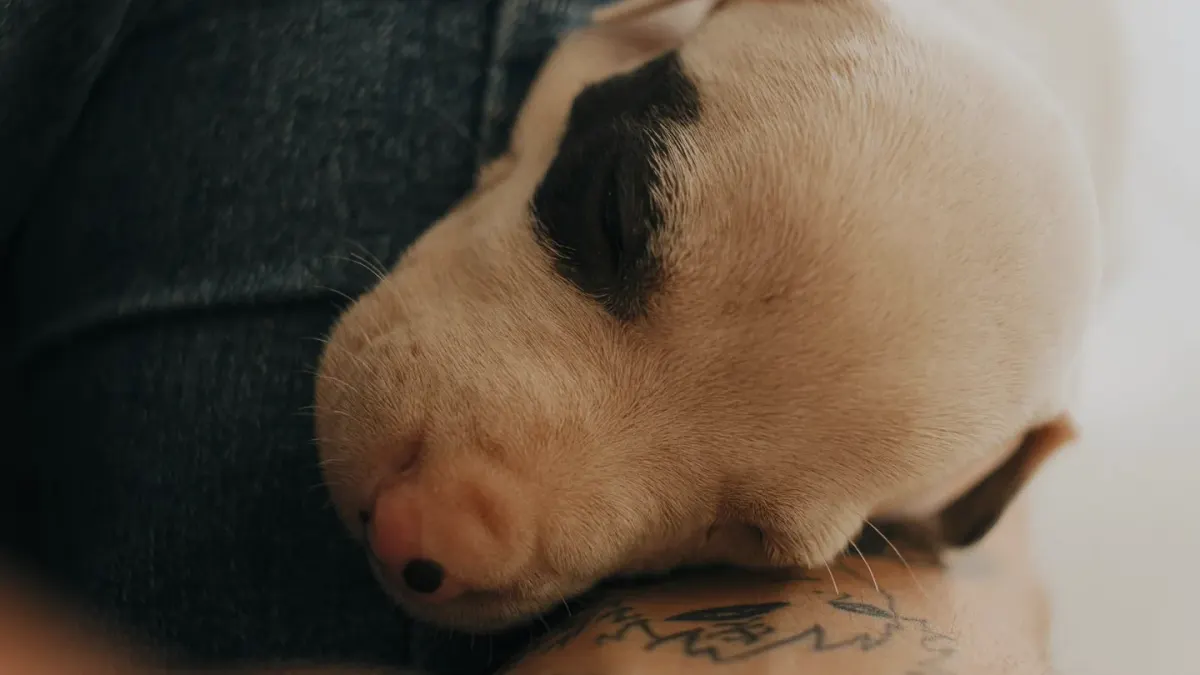
Alex hears the doorbell in New Haven and watches Elle, a 10-year-old spayed Beagle-Harrier mix, push up stiffly from her bed and pace toward the hall. Three guests, two hours of talking and foot traffic, and one dog who needs quiet footing and a clear exit can decide whether the evening stays comfortable.
The call for most senior dogs is this: protect movement and rest first, then manage the social part. Calming ingredients and training help only when the musculoskeletal picture and whole-patient balance are steady — dry footing, a supported bed out of traffic, pain addressed with the veterinarian, and a predictable greeting pattern.
The limitation no treat or greeting cue can fix
An older dog does not get overwhelmed by visitors alone. The load is noise plus novelty plus slippery floors plus standing too long on sore hips and elbows, with chiropractic alignment and acupuncture balance shaping how that load moves through the spine and limbs.
The American Veterinary Medical Association notes that senior pets need adjusted environment, rest, and veterinary monitoring as mobility changes, and that guidance fits visit days well. Plan for structure and function: traction, joint support, rest breaks, and lower arousal.
A short rug runner matters more than a perfect sit.
Give the dog a room that works when guests do not. Set one quiet bedroom or corner with a supportive bed, water, a chew, white noise, and a baby gate, so Elle can choose rest without being isolated. In practice, vets often see seniors settle faster when they can move away on their own before arousal climbs.
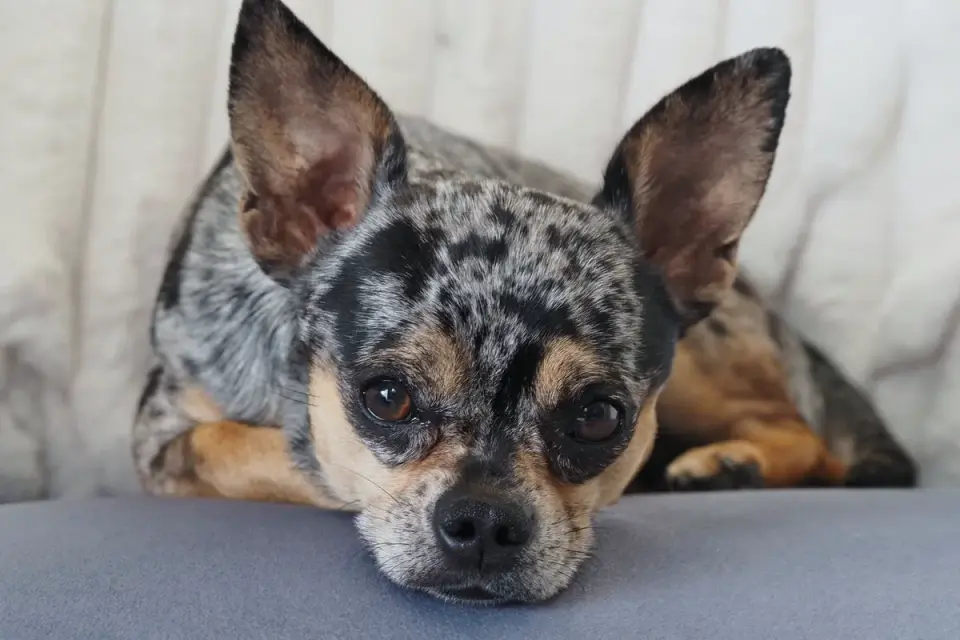
Myth against reality: she needs more socializing, not less pressure
The myth says an older dog should push through greetings to stay friendly. The reality is the opposite for many seniors: less direct pressure may help support calm behavior and comfort.
Visitors tend to lean over, reach for the head, crowd the doorway, and talk loudly. For a dog with reduced hearing, vision, or hind-end strength, that cluster reads as threat and effort at once. Lower the social load and the body stays softer.
Ask guests to ignore the dog for the first 10 minutes. Toss treats to the bed rather than hand-feeding. Keep greetings sideways and brief, with no lifting, hugging, or porch crowding. The ideas in Calm Walking Routes and Management for a Reactive Dog apply indoors too: distance, clear paths, and early exits prevent rehearsal of panic.
VCA Hospitals frames senior care around comfort, footing, and routine veterinary checks, which is why a pre-visit pain check matters before any calming supplement. If Elle hesitates on three stairs she used to climb, that is a veterinary question, not a training gap.
A practical sequence for visit day
Work backward from the doorbell rather than reacting to it.
Start the morning with normal exercise plus extra sniffing, not extra mileage. A 15-minute sniff walk and joint-friendly warm-up beats a tired dog with achy legs. Feed the main meal early so the gut is settled, and save a small stuffed Kong or lick mat for guest arrival.
Ninety minutes before guests, set the space. Lay runners over slick halls, gate the safe room open, dim the entry light, and place the bed where the dog can see without being in traffic. Botanicals and bodywork as things that may help support comfort fit here in structure/function terms: gentle massage along the shoulders, slow strokes, and steady breathing nearby, never forced handling of a sore joint.
During greetings, leash the people, not just the dog. Put one adult on door duty. Cue the dog to bed, reward in place, let guests enter and sit, then release the dog for a brief sniff if the body looks loose. Short visits to the party followed by rest protect mobility and whole-patient balance better than one long stay in the living room.
Supplements come last in this order, not first. L-theanine is an amino acid found in tea that has been studied for its calming properties, and chamomile and valerian root have been used in traditional herbal care to support relaxation. Evidence for situational use in dogs is still thin or mixed, so owners who try them should discuss timing and suitability with their veterinarian and read more in Dog Anxiety Supplements: What the Evidence Actually Supports and Melatonin for Dogs: What the Hormone Actually Does, and Where Owners Push It Too Far.
End the night with decompression. A short potty walk, fresh water, and the familiar bed let the nervous system downshift. If Elle chose her safe room for most of the two hours, that was success.
Seniors do best when owners defend rest as firmly as manners.
Frequently asked questions
Should visitors greet my older dog at the door?
Better to let guests settle for 10 minutes first, then allow a brief, sideways greeting if the dog approaches with loose body language. Reward calm interest on a bed, then give a rest break.
How do I know my senior dog is overwhelmed?
Look for lip licking, yawning, turning away, panting at rest, pacing, retreating, stiffening, or reluctance to move. Give space and access to the quiet room at the first sign.
Sources
- Senior Pets — American Veterinary Medical Association
- Senior Dog Care — VCA Hospitals