What Sleep-Wake Cycle Reversal Is in Senior Dogs
Medically reviewed by Lauren Cochran, DVM, DACVIM — For general education — not a substitute for veterinary care.
Sleep-wake cycle reversal in senior dogs describes a flip in normal sleep patterns, with daytime dozing replacing nighttime rest.
On this page
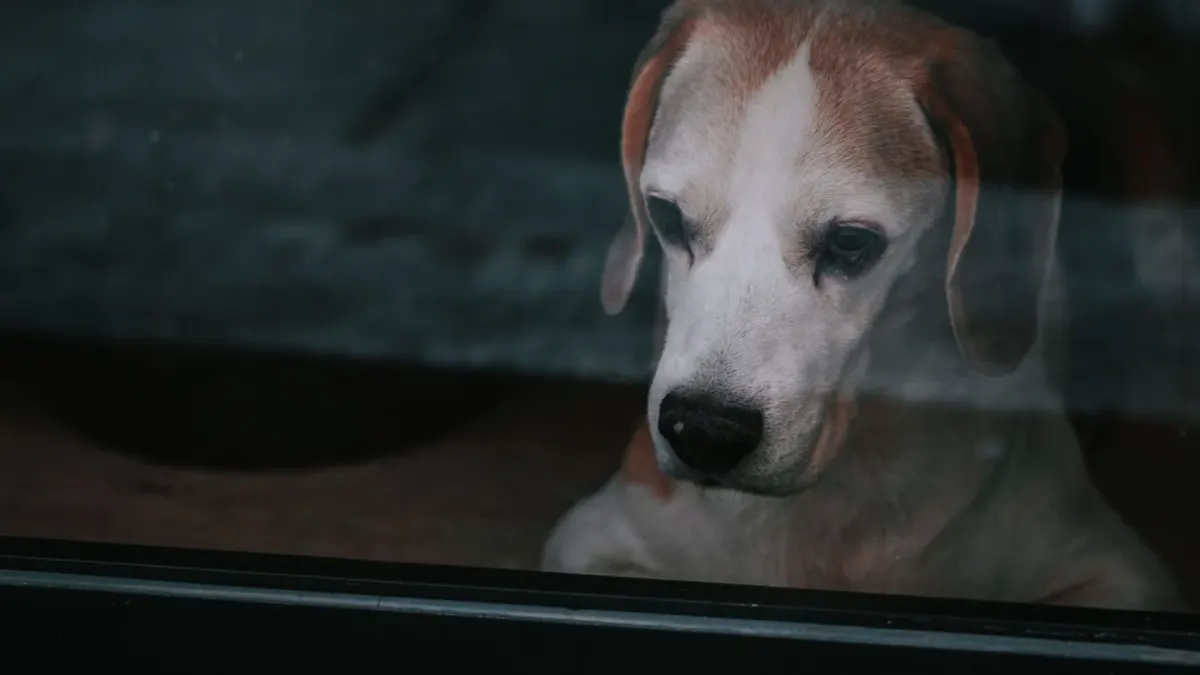
Sleep-wake cycle reversal in senior dogs describes a flip in normal sleep patterns, with daytime dozing replacing nighttime rest. Instead of the long, uninterrupted stretches of sleep a younger dog gets overnight, an affected dog naps through most of the day and then paces, pants, whines, or wanders the house after dark. It’s exhausting for owners and, more importantly, it’s usually the body telling you something changed.
What Owners Notice First
The pattern rarely shows up all at once. A dog who used to sleep soundly from 10 p.m. to 6 a.m. starts getting up at 2 a.m. to pace the hallway. He naps hard through the afternoon walk window, then seems wide awake right when the house goes quiet. Some dogs vocalize, standing in a doorway and barking or whining at nothing anyone can see. Others just wander, bumping into furniture they’d normally avoid. According to Nighttime Waking in Senior Dogs: Veterinary Partner (VIN), waking at night can stem from cognitive changes, but it can equally come from pain or discomfort that only becomes obvious once the house is still and there’s nothing else to distract the dog.
This is the piece I press owners on during an exam. A dog who’s stiff by day but fine at night probably isn’t dealing with the same problem as one who sleeps through the day but can’t settle after dark.

Why Aging Brains Flip Day and Night
Sleep-wake cycle disturbance sits inside a broader condition veterinarians call canine cognitive dysfunction syndrome, a slow neurodegenerative process with real parallels to Alzheimer’s disease in people. The Cornell University College of Veterinary Medicine describes it as a progressive decline that affects memory, spatial awareness, social interaction, house training, and sleep, often summarized with the acronym DISHA. Disturbance of the sleep-wake cycle tends to appear early in that progression, sometimes before an owner notices anything else. Veterinarians who track this closely tell owners it’s frequently the first thread that gets pulled.
Underneath the behavior, the circadian clock itself is affected. A PMC: polysomnographic study using overnight sleep recordings found measurable changes in sleep architecture in aging dogs, giving objective backing to what owners already report anecdotally. The dog isn’t choosing to be up at 3 a.m. His internal clock has genuinely drifted.
Ruling Out Pain and Other Copycats
Before assuming it’s cognitive, a full workup matters. Arthritis discomfort that’s manageable while distracted during the day can flare into restlessness once a dog is lying still at night. Bladder changes, itchy skin, or reduced vision and hearing can all produce a strikingly similar overnight picture. Cognitive Dysfunction Syndrome overview from Cognitive Dysfunction Syndrome in Dogs: Veterinary Partner notes this diagnosis is made through a combination of history, a physical and neurological exam, and bloodwork to rule out other diseases, not from the sleep pattern alone. That workup is worth insisting on. A dog whose energy dropped noticeably around this same age is also worth reading up on, and our piece on NAD+ precursor chews for a dog whose energy dropped after turning 8 covers that adjacent question in more depth.
Owners sometimes describe a dog who startles more easily too. That’s a related but distinct change worth flagging separately with your vet, and we go into it in why an old dog startles at sounds he used to ignore.
What Actually Helps a Reversed Sleep Cycle
There’s no single fix that restores a senior dog’s sleep architecture overnight. What tends to help, based on veterinary guidance from the AAHA senior care guidelines, is a combination of approaches rather than one silver bullet. Consistent daytime light exposure and activity help reinforce a normal circadian signal. A predictable evening routine reduces anxiety around bedtime. In some dogs, a veterinarian may recommend melatonin or a prescription therapy aimed specifically at nighttime settling, always started under guidance given how it interacts with other medications a senior dog might already be on.
Diet also comes up in these conversations, particularly around cognitive support and healthy aging more broadly. If your dog’s cognitive changes have prompted questions about supplementing fats or MCT-based products, our guide on whether MCT oil is safe for senior dogs with cognitive decline walks through what the evidence does and doesn’t support.
When to Call Your Veterinarian
Bring this up at the next visit rather than waiting for an annual exam, especially if the pattern is new or worsening. Note when it started, how often it happens, and whether anything else changed around the same time, like house soiling, increased anxiety, or getting stuck in corners. That timeline helps your veterinarian separate cognitive dysfunction from a painful joint, a UTI, or a sensory change, and it shapes which treatment path actually fits your dog.
The bottom line: a senior dog whose days and nights have swapped isn’t being difficult. Something shifted, and it deserves an exam, not just a longer walk before bed.
Frequently asked questions
Is sleep-wake cycle reversal always a sign of dementia in dogs?
Not always. It's a hallmark of canine cognitive dysfunction, but arthritis pain, itchy skin, urinary problems, and vision or hearing loss can all cause similar nighttime restlessness. A veterinary exam is the only reliable way to sort out which is driving it.
How common is this in older dogs?
Cognitive dysfunction is estimated to affect a meaningful share of dogs over age eight, and sleep-wake disturbance tends to show up early, often before the more obvious signs like getting stuck in corners or house soiling.
Can anything reverse the sleep cycle back to normal?
There's no cure for the underlying cognitive decline, but consistent daytime light and activity, an evening routine, and, in some cases, veterinarian-guided melatonin or prescription therapy can noticeably improve nighttime sleep quality for the dog and the household.
Should I wake my dog up during the day to fix nighttime waking?
Gently limiting long daytime naps and getting more outdoor light and mental stimulation earlier in the day can help reset the rhythm, but this should be paired with a veterinary workup rather than used as a standalone fix.
Sources
- Nighttime Waking in Senior Dogs — Veterinary Partner (VIN)
- Cognitive Dysfunction Syndrome in Dogs — Veterinary Partner (VIN)
- Managing Cognitive Dysfunction and Behavioral Anxiety — AAHA
- Cognitive Dysfunction Syndrome — Cornell University College of Veterinary Medicine
- Sleep and cognition in aging dogs. A polysomnographic study — PMC