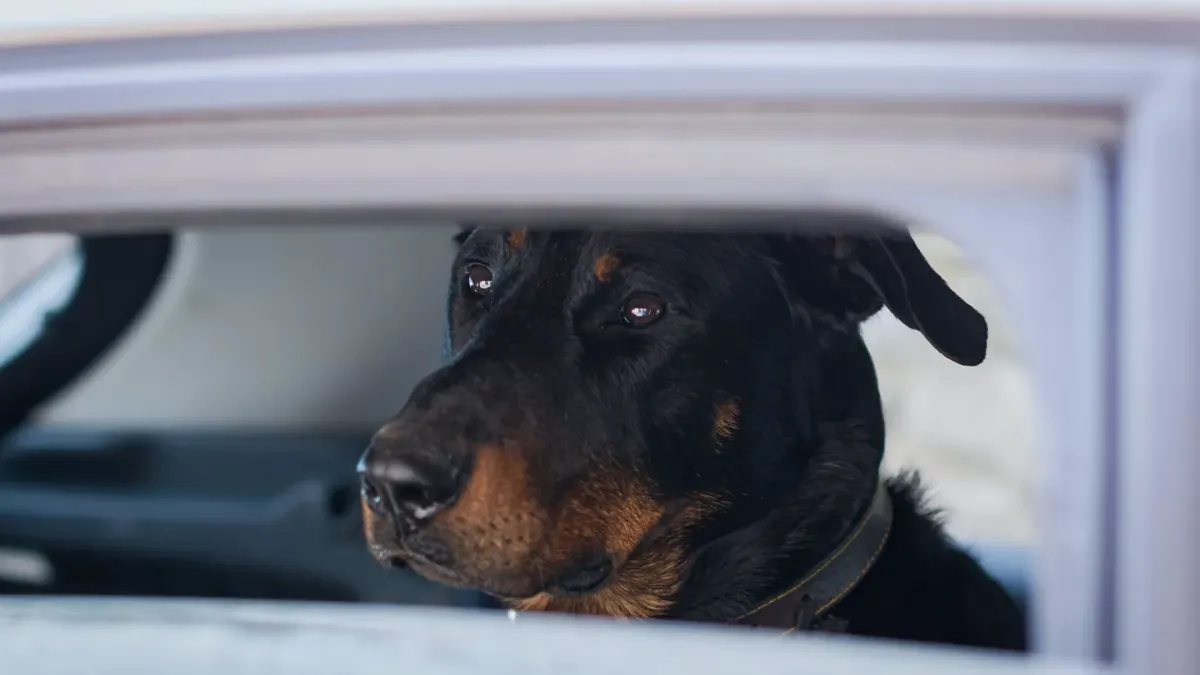
Peggy knew Bacio could still manage the block in Houston, but a three-hour flight at 13 years old was a different question. The Chow Chow slept most of the day, took stairs slowly, and coughed when he got excited. She wondered if the trip was fair to ask of him.
That question is the right starting place. A flight does not test a senior dog’s obedience. It tests heart, lungs, joints, vision, hearing, bladder control, and stress recovery all at once, in a loud, unfamiliar space.
My call is direct: get a veterinary go or no-go decision 4 to 6 weeks out, then prepare around that baseline. Everything else — carrier training, timing, food and water — may help support comfort, but none of it replaces that medical clearance.
The limitation most owners miss
Healthy-looking is not the same as flight-ready. Arthritis, early kidney disease, heart murmurs, collapsing trachea, and cognitive decline often stay quiet at home and show up under travel stress, pressure changes, dehydration, and disrupted rest.
Vets often see senior dogs who eat well and seem happy, yet pant heavily in a warm car or need a long time to settle after visitors. In practice, that slow recovery is useful information. If a dog needs hours to bounce back from a short outing, a full travel day will cost more.
That is why expectation comes first. For some older dogs, the kindest plan is not to fly, and options like an in-home sitter instead of travel deserve a fair look before anyone books a ticket.
Myth: a calm dog will be fine in cargo
The reality is less reassuring. Older dogs regulate temperature, hydration, and stress less efficiently, and brachycephalic breeds, dogs with heart or respiratory disease, and dogs with severe anxiety face added risk in cargo holds.
That does not mean the cabin is automatic. A senior dog still needs to stand, turn, lie down, and rest in a ventilated carrier that fits under the seat, and many older, larger dogs simply cannot do that. Learn what airline approval actually requires before assuming a carrier will work.
The American Veterinary Medical Association advises a veterinary exam before air travel and careful attention to heat, stress, and handling risks, which matter more with age. Use that visit to review heart and lung findings, pain, medications, vaccination and health-certificate timing, and whether cabin, cargo, or no flight fits the dog in front of you.
Paperwork has its own timeline. The U.S. Department of Agriculture outlines destination, airline, and interstate requirements that can take weeks to complete, and the Centers for Disease Control and Prevention sets separate rules for dogs entering the United States. Start early so an older dog is not rushed through vaccines, blood work, or a second exam.
No dog should fly sedated without explicit veterinary direction.
A practical sequence that keeps seniors steady
Work backward from departure in small, repeatable steps. The goal is low-stress handling and predictable rest, not cramming new skills in the last week.
First, build the medical baseline. Schedule the exam early, ask what to monitor, and leave with a written plan for feeding, water, bathroom breaks, pain medication timing, and what would cancel the trip. Bring a short list: coughing, panting at rest, stumbling, night waking, appetite change, and how long recovery takes after activity.
Second, make the carrier mean rest. Leave it open at home with a familiar blanket, feed meals near it, then inside it, then with the door closed for short naps. Keep sessions brief and calm. For dogs with stiff joints, practice the actual movements they will need: stepping in, turning, lying down, and stepping out without scrambling.
Third, rehearse the travel day in miniature. A short car ride in the carrier, a wait in a busy lobby, elevator sounds, and a bathroom break on leash can reveal a lot. Lynn learned this with Foxy, her 9-year-old Goldendoodle in Moreno Valley, when a single 40-minute practice outing showed Foxy needed a non-slip mat and a slower lift into the carrier to avoid a panicked scramble.
Keep food simple, water steady, and medication on schedule. Feed a bland, familiar meal the night before rather than experimenting, plan small sips and a walk before security, and pack the usual diet for arrival. Readers planning the full itinerary can pair this health prep with the complete guide to flying with a dog.
On flight day, protect joints, bladder, and senses. Request a quiet boarding window when possible, line the carrier with absorbent padding plus a worn shirt, offer water after takeoff, and keep layovers long enough for a real sniff walk and rest. Watch for heavy panting, drooling, restlessness, pale gums, vomiting, or refusal to settle, and ask airline staff for help early rather than waiting it out.
After landing, expect a slower rebound. Give a short walk, water, a light meal, pain medication if prescribed, and a dark, quiet place to sleep. Most seniors need 24 to 48 hours to return to baseline behavior.
Preparing well does not guarantee an easy trip, but it gives an older dog the best chance to stay comfortable and safe from door to door.
Frequently asked questions
How early should a senior dog see the vet before flying?
Aim for 4 to 6 weeks before departure. That leaves time for blood work, dental or heart follow-up, health certificates, and a change of plans if the exam raises a concern.
Should an older dog eat before a flight?
Feed a normal, familiar meal the night before and keep the travel-day stomach light. Ask your vet about timing around nausea, kidney disease, diabetes, or morning medications.
Is the cabin always safer than cargo for a senior dog?
The cabin allows closer monitoring and is often preferred for small, stable seniors, but only if the dog can rest comfortably in an under-seat carrier. Dogs with breathing, heart, or severe stress issues should have an individualized go or no-go discussion first.
Sources
- Pet Travel — U.S. Department of Agriculture
- About Bringing a Dog into the United States — Centers for Disease Control and Prevention