On this page
Yes, brief panting after a car ride is common, but how quickly it settles tells you whether it was just arousal and warm air or something that needs attention.
Panting is how dogs dump heat and reset after exertion or excitement. Dogs have few sweat glands, so rapid, shallow open-mouth breathing moves air across the moist tongue and airway lining and carries heat out with evaporation. Arousal adds to it. An elevated heart rate, adrenaline, a warm car, and bracing against turns all raise body temperature and respiratory drive. That is why many dogs step out panting even on a mild day. The limitation owners miss: panting looks the same whether the trigger was heat, nausea, fear, or pain, so the pant itself does not diagnose the cause. Context and recovery time do.
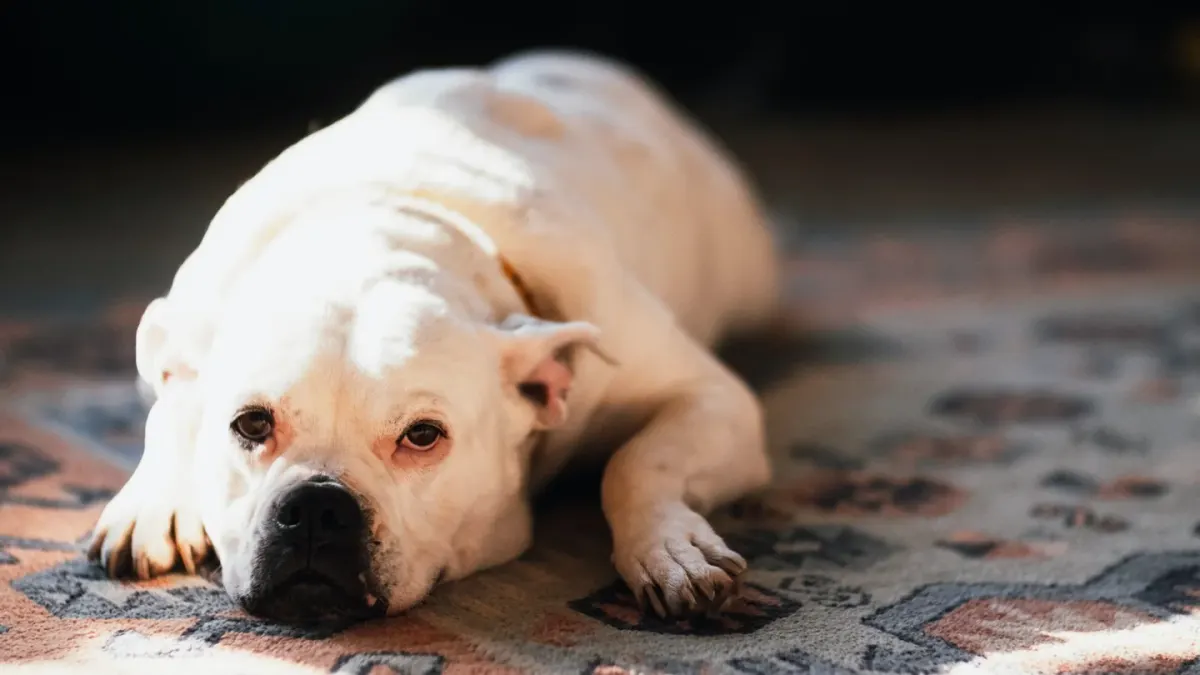
A four-year-old, 48-pound pit mix hops out after a 25-minute drive to a trailhead, tongue wide, drool strings on the seatbelt strap, tail wagging. Her owner worries because the panting started five minutes from home and kept going on the gravel lot. She offers water, walks her slowly in shade for about 10 minutes, and watches the tongue narrow and the mouth close. By minute 12 the dog is sniffing and pulling toward the trail. That quick arc back to a closed mouth with soft body language is what normal recovery tends to look like after mild exertion and excitement.
When post-ride panting is usually normal
Think of the car as stacked mild stressors: vibration, unfamiliar motion, temperature change, restraint, anticipation of the destination. Each one nudges sympathetic tone up. Breathing rate follows. The American Kennel Club notes that panting can reflect heat, excitement, or stress, not only exercise, which matches what happens on the road.
Normal recovery has a pattern. Panting should ease within 10 to 20 minutes in a cool, calm place with water and rest. The tongue gets narrower. Drool lessens. The dog can settle, sniff, or lie down. Ears and posture soften. Gentle movement helps here. A slow leash walk on level ground helps maintain comfortable joint motion and lets the rib cage and diaphragm move through an easy range after bracing in the car, without adding heat load.
Short rides in cool weather with good ventilation produce the mildest version. Longer rides, warm cabins, stop-and-go traffic, or a dog that stood and balanced the whole way produce more.
What changes the meaning: heat, nausea, fear, or pain
The same pant changes meaning when other signs cluster around it.
Heat is the urgent one. A car interior warms far faster than outside air, and brachycephalic breeds, puppies, seniors, and dogs with thick coats overheat sooner. Thick, ropy drool, bright red or pale gums, glazed eyes, stumbling, vomiting, or panting that stays harsh and loud after rest points toward heat illness rather than simple excitement.
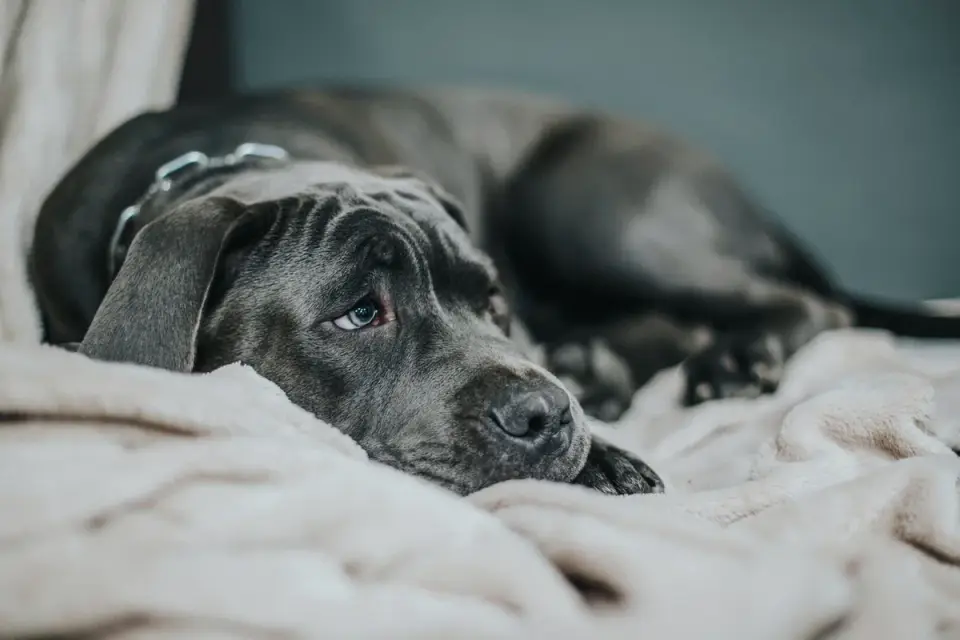
Motion sickness is common and underrecognized. VCA Hospitals describes drooling, yawning, whining, vomiting, and restlessness as typical signs in dogs with motion sickness, and many of those dogs pant before or after they vomit. Puppies and young dogs are overrepresented because the vestibular system is still maturing. A dog that starts lip-licking and swallowing around mile three, then pants heavily after arrival, is reporting nausea more than heat.
Fear looks different again. Tucked tail, pinned ears, yawning, lip licking, scanning, refusal to re-enter the car, and panting that stops at home but restarts near the driveway suggest learned car anxiety. Pain is quieter: an older dog that pants after lifting out of a high SUV, moves stiffly for the first 30 steps, then loosens up may be bracing a sore back, hips, or elbows during the ride.
Panting that lasts more than 30 minutes despite cooling and rest deserves a call.
Myth against reality on cooling down and calming down
Myth: heavy panting means the ride was too much and the dog needs complete stillness.
Reality: stillness in a warm garage prolongs it. What helps maintain comfort is cool air plus easy motion. Park in shade or go inside, offer small sips of cool water rather than a full bowl gulped at once, and let the dog walk slowly for five to 10 minutes. That gentle movement supports circulation and normal breathing rhythm while you watch for the turn toward quiet.
A second myth: ice water or blasting AC on high fixes it faster. Very cold water can cause stomach upset in a nauseated dog, and an icy blast on a stressed dog can increase shivering and tension. Aim for cool, not shocking. Ventilation, shade, and a damp towel on the paws or belly help more than extremes.
I favor rest that still breathes. A dog that can lie on a cool floor with hips and spine in a neutral position, then get up for a short sniff walk, tends to settle faster than a dog confined to a hot crate with no airflow.
A rescue volunteer tried the stillness route with a two-year-old, 62-pound hound mix after three failed Sunday adoption events. Each week she left him crated in the hatch for 15 minutes to decompress while she returned paperwork, and each week the panting got louder. On the fourth Sunday she changed one variable: a half-mile loop around the parking lot with four sniff stops before loading up. The panting still started, but it dropped off by the time they reached the second block. The tradeoff was time. The loop added 20 minutes she did not have, and it did not erase the whining at highway on-ramps. It only showed her the pant was arousal plus warm air, not a dog who could not handle outings.
A practical sequence for the next three rides
Keep conditions steady so you can read the dog.
Before: walk for five minutes, offer water, set the car cool before loading. Use a secured crate or harness so the dog does not brace the whole trip. Crack windows or run AC with airflow to the back. Skip a large meal within an hour of departure if nausea has been an issue.
During: keep the first rides short, 10 to 15 minutes on smooth roads. Note when panting, drooling, yawning, or restlessness starts. A calm chew or mat can help an anxious dog, and you can read more about options in Dog Anxiety Supplements: What the Evidence Actually Supports and Dog Calming Chews: What the Evidence Actually Supports. For dogs that panic at the vet clinic after driving there, How to Prepare Your Dog for a Vet Visit to Reduce Fear walks through the same desensitization logic.
After: unload into shade, offer small sips, walk slowly, and time the recovery. Closed mouth and soft eyes by 15 minutes is reassuring. Lingering panting, vomiting, diarrhea, pale gums, collapse, or a rectal temperature above 104 degrees needs same-day veterinary care.
An 11-year-old beagle who rode fine for years started panting on a familiar six-mile route to his daughter’s soccer field last October. His owner first blamed age and warm fall weather. Then she noticed the pattern bent: he panted only after right turns, hesitated at the SUV ramp he used to climb, and needed help onto the couch that evening. Radiographs later showed spondylosis, and the car bracing was loading a sore spine. She switched to a low ramp, a non-slip mat, and a back-seat hammock that let him lie down instead of stand, plus a five-minute sniff walk before and after. The panting shortened from 40 minutes to under 15. The lesson was not that the usual cool-down failed. It was that the job had changed from calming to cushioning.
If the pattern points to fear rather than heat or soreness, short counter-conditioning sessions around the parked car often help more than any chew. After Your First Counter-Conditioning Session: What Comes Next lays out how to build from there.
My call: treat brief post-ride panting as normal arousal until recovery proves otherwise, then let the clock decide. I would change that call if panting routinely outlasts 30 minutes of cooling, clusters with vomiting or collapse, or tracks with stiffness and reluctance to load. Those patterns point away from everyday excitement and toward motion sickness, heat illness, anxiety, or musculoskeletal pain that deserves an exam.
Frequently asked questions
How long should panting last after a car ride?
In a cool place with water and rest, most mild panting eases within 10 to 20 minutes. Panting that stays harsh beyond 30 minutes, or comes with vomiting, stumbling, pale or brick-red gums, or collapse, warrants prompt veterinary care.
Does panting after a car ride mean motion sickness?
Not always, but lip licking, swallowing, drooling, yawning, or vomiting around travel strongly suggests nausea. Puppies are especially prone. Short, smooth trips, good ventilation, avoiding a large pre-trip meal, and talking with your veterinarian about anti-nausea options can help.
How can I help my dog settle faster after a ride?
Move to shade, offer small sips of cool water, and take a slow 5- to 10-minute walk. Avoid ice-cold water, hot crates, and intense play until breathing is quiet and the mouth can close comfortably.
Sources
- Why Do Dogs Pant? — American Kennel Club
- Motion Sickness in Dogs — VCA Hospitals